Frank Stearns
Project Elements
Lost Teeth Project Documentation
Proposal
Presentation
Powerpoints for Exhibit Design & Museums
ExhibitDesign
Museums
Universal Principles of Design Post 4
How Can I Help People Learn From a Design?
Accessibility


This is a design that is made to make stairs more accessible for people in wheelchairs. Someone can learn to take every type of person into account when coming up with a design. How broad is your audience? What kind of people would be interested in this kind of design. This specific design is tailored to people who use wheelchairs so should people who don’t use wheelchairs care about this design? Many designs fail to take handicapped people into consideration. The bus design to the right is a design that is specifically made for people in wheelchairs but the design only works half of the time. Durability is also something to consider when making a design.
Advanced Organizer


This diagram shows how the food chain works for a certain environment. Something that can be learned from this is that circles usual indicate that a cycle is taking place. This design is using a circle but it doesn’t indicate that there is a cycle going on. The design on the right is a better way of showing how a food chain works by going from top to bottom.
Biophilia Effect

Bing’s website uses environmental imagery to make people feel more comfortable coming to their site. Something to be learned here is that high resolution pictures of nature are a good way to hook your user in. Unfortunately Bing as a search engine is not very good and many people refuse to use it.
Cathedral Effect


Here there is a clear difference in ceiling heights between these two classrooms. The basic classroom wants students to focus and direct their attention to one place where the music room to the left influences students to think creatively based on their bright colors and higher ceilings. Designers can learn to implement this effect not only in architecture but also through perspective. Video games do this by using different camera perspectives.
Chunking

Many other companies along with Progressive show their phone numbers as well as say them during commercials so that people will remember them. The reason why all phone numbers are broken up into different parts is because it is easier to remember. When designing one should think about different ways to break information into smaller chunks so it is easier to interpret. Coming up with a happy medium where chunks are not too small but not too large is essential.
Classical Conditioning

This Budweiser commercial shows a clear depiction of a cold beer being filled. Many people associate this with the feeling of relief after a long day of work and the taste of a cold beer. Learning how to depict familiar feelings through imagery and other kinds of stimulus can give your design the attraction it might need.
Comparison

Comparison is a huge part of many designs and knowing how to create a simple easy to read comparison is important. This diagram is very simple and compares two different topics but makes it very clear what kind of message they want to get across. Learning how to make complex comparisons that are easy to read are important when you want the user to visualize something.
Depth of Processing

Codecademy is a program that allows users to learn how to code in segments with new instructions in each segment. This design works really well because it gives the user segments of code that have already been made so that they can visualize the basics so they can become familiar with the basics of coding. Breaking down complex pieces of material and giving the user some visuals will help them retain the information much more thoroughly.
Exposure Effect


The sign on the right is an old ad asking people to join the army during war time. I was everywhere for that time period and is a staple in american history. Because of the immense amount exposure from the image on the left. An artist took advantage of that and created a piece of propaganda protesting against war. Because of the exposure the image on the right is very powerful and sends a clear message. Using the exposure of one image you can create another image that sends an ever more powerful counter message.
Forgiveness

This program asks questions and if you get the incorrect answer than it gives you another chance to answer again. This technique is good if the questionnaire is not that important but for a questionnaire that counts if you get an answer wrong than it is not as forgiving. Know the purpose of a program is very important when deciding how forgiving the program should be. Many programs such as Microsoft Word have a redo function or if the program closing suddenly it will restore your work. This did not use to be the case though. Many times a user’s work would be lost if it was not saved properly or the program crashed.
Garbage-in Garbage-out

This image depicts the program Monodevelop which is a code editor used for a variety of different coding languages. It has a debugger on it that detects when there is code that has been entered incorrectly. As well as the debugger is there are still many cases where it does not detect if the code you entered is running the way you want it or not. This is why coding can be very tricky. If you type the code correctly but it is still not performing the way you want it too then you have to retrace your steps to see where you went wrong. This makes putting in the correct information vital when coding in this editor and other editors alike.
Hierarchy


In this game the quest hierarchy consists of different quests based on the location where they must be completed. Knowing the best way to structure a hierarchy is key when making one. There are many hierarchies such as the one used for game objects in Unity that are very unorganized naturally and the user must go out of their way to make them organized. If there was a way to categorize each game object by color it would make finding certain objects a lot more productive especially in games that have a large amount of objects.
Immersion

This image shows people experiencing a show at a planetarium which is a sphere shaped dome that has images projected onto it that people lean back in reclined seats and watch. Because the dome covers most of the viewer’s vision they become more immersed. People have peripheral vision that is also being used and when a person is looking at a flat screen then they can still see other things around them in their peripherals. Taking away this ability gives the viewer a greater feeling of being immersed. Knowing the biology of a human can help a designer create a design that will allow a user to become even more immersed.
Interference Effects

This design is a great example of how creating misleading directions can really screw a person up. They did right by using the color red which is usually associated with danger or exit but if this button was on its own than everyone would press it not knowing that it was for emergencies. First they made the word “push” in a larger font which usually invites the use to push the button which is not what you want. Second they used an LED backlight which is also usually associated the invitation to push or interact. Not only is the initially design bad but even the design of the text telling the user its function is bad. The signs text needs to be much bigger and a whole lot closer to the button so the user will read it before they go and press the button. This brings up a very important concept of using certain preconceptions to make your design talk to the user subliminally and tell the what to do without have to read any signage.
Universal Principles of Design Post 2 Redo
How Can I Enhance The Usability of a Design?
80/20 Rule


These are examples of how the 80/20 Rule is used and how it is not used. Photoshop uses the 80/20 rule, it has many features that most people will never use but it still has them because it gives more power to the people who do use them. Preview is a very simple editor and the user can only do the most basic functions that most people use when editing photos. Preview is much simpler but less powerful were as Photoshop is more powerful but more complex.
Accessibility


Each door has a different design. The design on the left does not have an automatic feature which makes it harder more handicapped people to enter whereas the door on the right is automatic to more people can access it with less difficulty.
Aesthetic-Usability


Both of these websites are for different universities. The site on the left is more pleasing and less cluttered so it seems easier to use. The site on the right has brighter colors more dynamic imagery and bunch of more text which makes the user feel like is more complicated and harder to navigate.
Affordance

These are different examples of car door handles. They all afford different things beside the handle on the top left. This is a bad example of affordance because the user does not really know which way to move the handle in order to open the car door.
Confirmation


These are two examples of confirmation that are slightly different in design. One confirmation box has the options “yes” and “no”. The other has the options “cancel” and “discard”. The confirmation box on the right is a better design because the word “discard” is already used in the question making the user more aware of the decision they are about to make.
Consistency


These are two examples of rebranding and how consistency is extremely important in design. The rebranding on the left is a pretty drastic change because they change their font and get rid of the image of the tower. There new logo is different and there is also no way for the viewer to recognize the company its just text. The rebranding on the right is very subtle and they used very similar font and very similar colors as well as word structure to make the changes noticeable but not unrecognizable.
Constraint
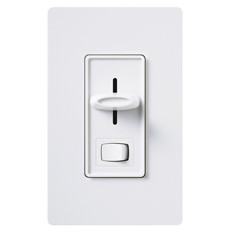

This dimming light switch restricts the user to only be able to dim the light a certain amount and the over switch only gives the user the option for on and off. Each both constrains the user but the dimmer on the left gives the user more control. The dimmer also has an on and off switch if you would like the light kept at a certain brightness.
Control
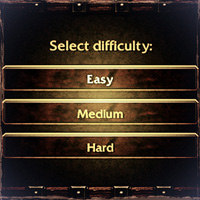

Game developers will sometimes give the user a choice on how hard they want the game to be and others decide not too. By giving the user control you are giving them a choice based on their play style but in some cases the developers don’t want to give the user that control because they want them to play a certain way. This is neither a bad or good thing it’s mostly based on what type of game it is.
Cost-Benefit


This delivery food service is a good example of paying a little more so that you can have food delivered to your doorstep what is not a cost benefit is having a single bottle of soda delivered because it would be cheaper to go to the corner store and buy on than pay for shipping.
Desire Line


The bike grips on the left have indents in them so that the user knows where to put their fingers. This design is simulating the divots created by a person’s hands being in the same place every time. The grips on the right do not have these divots so the users hands will not fit as naturally which could cause them to change hand positions more frequently.
Entry Point


This apple store has a clear entrance with no walls so that the user can look inside the entire store and see what the company is selling. The photo on the right is showing a customer who is walking into a speakeasy or a bar that is designed to be hidden from pain site which gives the customers the feeling of being exclusive. Both entry point designs are different and are designed to give off a different effect to attract customers.
Errors


404 errors are common when searching the web because we sometimes come across a link that has been deleted or lost. The error message on the left explains the issue and the steps that the user can take in order to fix this or go back to where they were. The message on the right tells the user what the error is but not the steps that they could take to fix the error making the left design more effective.
Fitts Law


The windows start button is usually the biggest button so that the user knows this is where to click when you want to get to another place. The difference between the start button in windows 10 and windows XP is different. The button from Windows XP is more effective because it has a completely different color, is larger and says the word start. In Windows 10 it implies that the user should already recognize where the the start button is and know that the slightly bigger button on the bottom left is that start but that is not always the case and makes this interface more difficult to use.
Forgiveness


Microsoft Word has an undo feature much like many other designs that allows the user to take a step back if the made a mistake so that they can erase the work just did and fix their mistake. Chrome also has a feature that allows the user to open a closed tab if the user closed the wrong tab on accident.
100 Things Every Designer Needs To Know About People
People Make Mistakes
This chapter talks about the different types of mistakes people can make when interacting with something. Error messages are a very important part of a design and should be used in certain situations and are commission errors, omission error or wrong-action errors. Errors can also have a positive outcome, negative outcome or a neutral outcome. A designer must think about the purpose of an error message and how they can implement that into their design in a effective way. For example an error message that says the user entered the wrong information and not a product is being shipped to the wrong place is a wrong-action error and has a negative effect. Stress is also a huge factor when using a design. For this I thought of the product Life Alert. It eliminates the process of having to call 911 in case of an emergency. This design was tailored to elderly people who probably don’t carry cell phones around as frequently as middle aged or young people. It is also as simple as pushing a button in order to get help which makes a stressful situation much less stressful. A designer should also think about how much stress the actual design causes itself. For example most horror games are designed to cause the player to feel anxious and stressful because that’s what makes them fun to play. This is an example of using stress to the designer’s advantage in order to inflict a certain emotion. As we are creating our prototypes and thinking about error messages and how they should be implemented into a design I have been trying to figure out the best way to program our prototype so that an error should not happen but if it does, which is inevitable at some point, an error message would pop up so the user knows what is going on and gives them information on how to fix that error. A strategy that I have been using for our prototype is testing it on a variety of different people that I can find and see what issues arise and see how I can be able to fix them so that the design is more solid and error free.
Sometimes a designer wants the user to make an error. What are some other situations where a designer would want the user to make an error or expects them to make an error?
What are some strategies that are used to help find flaws in a design that might not be apparent or help a design have fewer errors?
How People Decide
The most interesting concept discussed in this chapter was the importance of the unconscious mind and how important it is for a designer to understand how the unconscious mind works. Most people operate based on their unconscious mind because some things have become so natural that a person does not need to be actively thinking about hem in order to complete them. For example I am typing this response on a keyboard that I have been using for many years so typing has become in unconscious practice. This can be implemented into designs such as people clicking on buttons or checking boxes because they have been so accustomed to it based on past experiences of selection. Another point on the unconscious mind is that it knows things before the conscious mind even does. This is interesting because the unconscious and conscious mind are always talking to each other and telling each other what the other is thinking to come up with a final decision. WE can see this with a gut feelings and how me usually go with that gut feeling because that’s what our unconscious is telling us to do. This does not mean that the unconscious is always right by any means but it definitely decides what the best decision is before the conscious mind does. Moving on decision-making also based upon how many choices a user has. There has been many times when a store sells multiple types of the same product and I could not decide which one to buy. This is not only frustrating but time consuming. Many online shopping sites have a huge variety of options that have a wide variety of reviews and ratings that user usually trust. On the topic of ratings and reviews, users are most likely going to listen to these reviews because they are from other people. When online shopping the user mostly bases their decision on reviews, price and how much time it took to find the product. If a user finds a product quickly that is within their price range and has good reviews they are most likely going to choose that product instead of continuing to search for a better decision because they don’t want to waste the time. Most of the time people prefer more choices than less choices but I think that people really just want to be able to choose but from a small group rather from a very large group because they do not want to spend that much time sifting through the choices.
Since people want choices but not too many choices, how does a designer know how many choices they should give the user?
If people value the actually product in reality rather than an image or text what would be a more effective way to portray a product to customer using a digital format?
How People Focus Their Attention
The way that people focus their attention is also in an unconscious way so users don’t really think about the actions they are executing they just execute them and see what happens. Most people are driven based off of past experience of using other designs so that certain designs are easier to navigate. People also filter out all the information that is not needed. During my prototype testing I had people use my design without any instruction and with instruction. It took them longer to figure out what to do without the instruction but by testing methods used in the past with other designs they figured out how to use the design. This also gave them a feeling of discovery and that the figured out a puzzle which cause a dopamine effect. In most cause I believe that designs should be self-explanatory and gives the user the ability to discover certain features on their own. For example when I play a video game I would rather discover certain mechanics than have the game tell me because it gives me the sense of knowing something that most other people do know and that I have a skill that is more effective that the basic skills. Multitasking is another important concept when talking about game design. There have been many cases where I have been playing a game and I would be asked to complete a variety of different tasks. Obviously you can only complete one at a time and if the player is swamped with more then one task they could be potentially over whelmed It ok to give user two or three objectives but make sure they are connected in some way and are not too demanding that they completely forget about the other objective. Another interesting concept was that people are naturally attracted to food, sex, faces and movement. Many movie trailers have these things crammed pact into thirty seconds. At times its almost an overload of stimulus and can drive people away. You have to know your audience in order to use these attention grabbers to there best ability. You also want to incorporate the greatest amount of senses possible in your design. If you are on a shopping website and you want your customers to buy a certain product then adding a video to that products page would be most beneficial so that they can get a better sense of the product. Overall knowing what people focus their attention on is important when creating a design.
How much stimulus should be put into a design so that it is not too much but not too little?
When should instruction be beneficial in a design and when would it be not beneficial? How do you determine this?
How People See
This part of the text is interesting because it goes over how user will see your design and the different things that they focus on or ignore. One aspect that was went over was how we use our peripheral vision to gain information. Many ads on websites are on the sides and they have flashing images or something that is obstructive to a person’s attention. This brings up an issue of how distracting advertisements should be and as a designer should your designs have ads? Because users use their peripheral visions a designer needs to determine what should be in the user peripheral vision and what shouldn’t. For example, there are few games that have distracting peripherals because usually the game designers want the player to focus on what is head of them and controlling their character but sometimes they will add warnings or indicators to show that something is about to happen. An example of this is in Call of Duty when the player has taken damage the players screen gets red as if their vision is cover in blood signifying that they are injured and need to take cover. Another thing that is important and widely used in a variety of different types of games is patterns. Patterns are used in a simple way or a more complicated way. A couple of examples of this are a connect four game like Candy Crush or Bejeweled that asks the player to connect four or more objects to gain points, the second example would be in a game like Dark Souls each boss has a pattern of attacks that they player must recognize to find a strategy to defeat the boss. Both games use patterns very effectively but one is more direct whereas the other one is more subconscious and not as directly noticed. Affordance or understanding what designs do is a very important concept in design. The classic example is having a “raised” button on a computer program and a “pushed” button when the button is clicked. Because of the real-world knowledge that people have with buttons this design affords the user to click on the button for an action to take place. Something that I thought of based off this was how gamers have gaming intuition. Because certain things have been seen in so many games it just becomes common knowledge that the gamer should complete that action. For example, picking up hearts is directly associated with gaining more life or health. Color pallet is important when trying to distinguish a certain emotion. Like we said in our class discussions certain colors make us feel certain emotions like blue makes us feel calm and at peace while red relates to passion. Most designs are very visually driven so understanding how people see is essential for design.
How much of a design should be reliant on affordance?
How People Think
Reading this section of the book I was continually comparing the sections talked about to different forms of media that I interact with throughout my life. Since I play a lot of video games I compare many of the attributes to video games and how I can apply them to the games that I make or in any form of media that I make. People process information in bite-sized chunks which means that separation of information is important. In video games dialogue boxes are closer to the bottom of the screen so that the player can see what’s going on in the game but also because forcing the player to read the dialogue in smaller chunks makes them more engaged. Giving a user a little bit of information at a time can allow them to want more and seek more from the experience. This works well in films when the film shows information early on that doesn’t make sense to the viewer at that point but later down the line the viewer understands the situation and that scene from early could become pinnacle to the films whole story. This is also in coordination with the fact that people’s minds wander thirty percent of the time. This happens to me often when I am watching movies or playing games that are heavily driven by dialogue. Don’t get me wrong I always appreciate good dialogue and I understand its importance but I find it more interesting when a piece of media can show me information visually in an interesting way. For example, in film it’s better to show the viewer what is going on and let them have that discovery for themselves instead of just having a character or narrator say what is going on. On the topic of storytelling, people process information best in story form. The best way that I can interpret this concept is when you see videos or PSA’s that use storytelling to get a message across to their viewers. For example, anti-smoking campaigns have had victims of lung cancer in their ads to share their stories and struggles to inflict a certain emotion on their audience. Even things like websites can use storytelling elements to make their sites more interesting even if it is very subtle and interpretive. The text also talked about flow state which is extremely important in video games so the player does not lose track of their objective. There are many examples of games that through way too many things at the player and they become overwhelmed and don’t know what objective to be doing. For example, say you’re playing a game that has main story missions and small side missions where you must collect items. You are asked to collect and excessive amount of items and you spend so much time doing this you have no idea where you were in the story missions. This example happens very often in games because developers want to put enough content into their game to keep the player busy and for the player to play the game for a certain number of hours. Lately games have been going away from this and asking the player to make up their own content such as Rust or Minecraft. Overall knowing how users think when they are interacting with your design is extremely important and one of the best ways to know how people think is to test your design on real people.
Should storytelling elements be put into designs such as a shopping website even if those elements are subtle?
What Motivates People
The closer people are to a goal the more motivated they become. This concept is good to think about in design because you want your user to feel like they are accomplishing something or that your design is worth their time. Later, in the text the author talks about dopamine which is one of the driving forces of video games. People play games because they make them feel good and give them capabilities that the real world does not offer them. This can be a good thing and a bad thing. Dopamine can be addictive and there are many people who are addicted to video games and it has affected their lives dramatically. Many people are amazed about how many hours gamers put into playing their games. As a gamer, myself this number usually shocks me too but that doesn’t stop me from playing games and it won’t stop many other gamers. As a designer when designing an experience should there be a limit to how addicting you should make the experience if there is even a way to tell if the experience is going to be addictive. There have been many attempts to mix physical fitness with games and many of them have been successful but the average gamer does not want to have to put a lot of effort into playing the game if they are trying to relax or wind down. Another motivational concept is intrinsic rewards. This is also something that is common is video games and many developers have been cashing in on it. For example, in the game Overwatch the player is rewarded a loot box when they level up or win a certain number of games. These loot boxes contain a variety of different intrinsic rewards. The developers added a feature where the player can buy loot boxes with real money instead of having to level up in the game. Many other games do this and in most cases, it is the developers primary source of revenue. Some of these intrinsic rewards based games are free to play and give you the option to buy certain things for the game which makes it easier for their game to get downloaded because its free and still gives the developers enough money to stay afloat. This is a prime example of how just by knowing what motivates people can completely change a design. Something that I found interesting that the text mentions and I do not know if it is true in my opinion is that the fewer the competitors the more motivated people become to compete. I understand the logic is that a person would be more motivated because they have a higher chance of winning but this seems false in the gaming world. Games that only allow a few competitors can be equally as fun as games that have a hundred competitors. A new game that just came out called Battlegrounds is a one-hundred-person survival game where each player tries to be the last one alive. Even though the chances of winning are very slim the game is still extremely fun and rewarding. This brings up a question to whether it really matters how many people you are playing against in a game if the game is designed for that many competitors? Again, knowing what motivates users can be the difference to a good design and a great design.
Does it really matter how many competitors you have in the game if the game is designed for that many competitors?
As a designer when designing an experience should there be a limit to how addicting you should make the experience if there is even a way to tell how addictive the experience can be?
Agile and Scrum Questions
- Which should I choose, agile or scrum?
From my understanding Scrum is a form of Agile methodology but there are differences between the two articles. Agile seems to be more customer driven and focuses on what the customers want out of the product. It also has more flexibility. Both have many similarities such as daily meetings, backlogs, and sprints. To really understand which one is better you need to know what you are doing to make and what the parameters are around the product. Overall Scrum seems more direct while Agile has a bit more mobility.
- [True or False] In scrum, anyone can ask the team to do work or to change the priority of backlog items.
False the only person who can change the priority of the backlogs is the Product Owner.
- [Critical Thinking] What are the responsibilities of the product owner?
The product owner is responsible for maximizing return investment, identifying product features, translating them into a prioritized list, deciding what is the highest priority and re-doing the list as the sprint progresses.
- Whose deliverable is a self organizing team?
The Scrum Master is responsible for maintaining a well-organized educated team of professionals.
- [True or False] One of the functions of the scrum master is to remove impediments for the team.
True, their job is to make the product owner and scrum teams life easier.
- [Critical Thinking] While it’s possible to have a contributor-scrum master, why is this a lot to ask?
This is a lot to ask because the scrum master has their own responsibilities and should not get tied down by other work that could impede them from doing their primary job.
- What are the responsibilities of the scrum master?
The primary responsibilities of the scrum master are to support the team by respecting the rules and spirit of scrum, help remove impediments and make their expertise and experience available.
- Who decides how to get work done, what tools to use and how large an undertaking each feature will be?
The team gets to decide how each item of the backlog will be created. The spirit of scrum is too allow people to use their entire skill set as well as learn new skills to get the job done.
- [Critical Thinking] should members of a scrum team all have the same skill set? Why or why not?
Not really, every member of a team has their own unique skill set and they tend to focus on what they are good at but everyone should be able to learn different skills and be willing to contribute to others using their own skills. That being said there should be a common knowledge of something’s but each person should specialize in one or more fields.
- What are the responsibilities of the scrum team?
The scrum team is responsible for completing the items on the sprint log during a sprint, helping plan a sprint, attend daily scrum meetings and help with backlog refinement.
The Sprint
- [Critical Thinking] What is meant by the iterative process?
Iterative process means that the entire project is broken down into smaller parts. For example each major section of the project is broken down into sprints. This makes the project seem more manageable.
- What is the goal of the first part of a sprint planning meeting?
The goal is to prioritize the items on the backlog that they wish to complete during the sprint. A sprint goal also may be create that gives an overview of what the main goal of the print may be.
- What is the goal of the second part of a sprint planning meeting?
In the second part the team determines what they will be able to complete during the sprint based on the highest priority items. This is interesting because the scrum team gets to decide how much work should be done instead of the product owner.
- [Critical Thinking] What is meant by “yesterday’s weather”?
This is a term used to describe the team members going over what they did the day before and what problems they came across. In these meetings they also go over what they wish to accomplish in that day.
- [Critical Thinking] When sizing stories or tasks, some team choose hours and some teams choose size. What’s the difference?
Some teams base priority off of the size of the item while others base the priority off of the amount of time it will take to complete. These seem like basically the same thing but time is a huge factor especially in a sprint. When prioritizing the team should think of both size and time it takes to complete the item.
- What 3 things does each team member share in the daily scrum?
What I did yesterday? What I will do today? Any issue that they came across.
- What is the sprint review?
The sprint meeting is used to go over what was accomplished during the sprint, show any demo that has been created, reprioritize the backlog and plan out the next sprint.
- What is the retrospective?
It is an opportunity during the sprint review to share with each other what they think is working, what they think is not working and agree on any changes they wish to make.
Chapter 8: Scrum Artifacts
- What is the product backlog?
A product backlog is a list of items that are prioritized that must be completed before the final release of the product. Each sprint log is created based on certain items from the backlog.
- What is the sprint backlog?
The sprint backlog is also a prioritized list created from the backlog that holds items that are to be completed during that sprint.
- [Critical Thinking] User stories don’t change much, however tasks change frequently. Why is this?
User stories are functions that users would like to see in the product but tasks are different because they are ways to complete a users story. Tasks are smaller increments that must be completed in order to complete a users story.
- What is the burn down chart?
A burn down chart is a chart that shows how much work is remaining until the team is finished with the project. It slopes downward until eventually it will hit zero work left when all of the items on the backlog are completed.
- What is the purpose of the task board?
The purpose of a task board is to see what items still need to be done, what is a work in progress and what items have been completed during a sprint. This is a good way to be able visualize the tasks that need to be done during a sprint.
User Stories
- [Critical Thinking] write a user story for your nmd306 project
As a museum goer I want to move the teeth on the screen so that I can complete the mouth.
Agile and Scrum Methodology Response
After reading the three articles and other peoples take on this kind of methodology it seems that there are some very good things and bad things about it. The good things are that it is very efficient and seems to be based what they call “user story” which also means what a user would try to get out of using the software or functions within the software. One concept that stuck out to me was the lack of brainstorming or coming up with the initial concept of what kind of software was trying to be made. The process immediately starts out by trying to develop a “sprint” or a series of “sprints” which are short periods of time where the team pushes through to complete a series of items from the backlog, which is made from user stories. This brings up the question of how the whole concept was even conceived and whose vision is behind this concept? Does the whole team understand the vision? This also brings up another concept about scrum meetings, which are meetings each day where each member of the team shares what they accomplished the day before, what they wish to accomplish today and what problem they had if any. This is meant for everyone to be aware of each person’s progress. These meetings are interesting but the most appealing aspect of this methodology is the burndown chart. This is single handily the most useful tool that this methodology offers. The burndown chart shows the progress to time ratio, which allows the team to better predict how much longer it will take for the project to be completed as well as how much they can get down in each day. In my opinion the burndown chart is what completes this methodology.
There a couple problems I see with this methodology so far. One it seems like innovation and creativity is limited when the developers only care about completing items on the backlog. What if someone comes up with something that was not put on the backlog? Is their idea discarded or does the person simply not speak up because it could put the team behind. There also seems to be a whole lot of pressure to complete all items in a short amount of time. Two, most people do not want to stand up in front of all their peers and talk about how well they are doing their job. I can see how this is a good way to pick out the bad people who are not preforming as well as they should be but this puts even more pressure on the workers and is not good for moral. Lastly I wanted to talk about how the employees are given room for growth. In these small teams everyone has a specific role and job that they must do but how can they expand their career if they can only do the same job over and over again. A developer probably would not be able to become an executive because their roles differ so much. There seems to be a solid method that is being used here but I also think that there are things that need to be looked at more closely so that trust is built and innovation is not diminished.

Questions:
Are there any other methodologies that counter or rival Agile and Scrum?
How does Agile compare to Waterfall or other more traditional methods?
What are people saying about this methodology? Does it produce the best work?
There is some software that can be used as a tool for backlog management and burndown chart creation. What are some other methods of staying organized so that everyone can reference the backlog and burndown chart?
What are some flaws that other people noticed in the methodology?
Does the shortness of the time given to develop something cause too much pressure and anxiety?
AGILE Software Development Method Response
The key aspects to the AGILE methodology are primer, manifesto, characteristics, daily stand-up, definition of done, release planning, iteration planning, and product backlog. Each of these aspects is what drives the development of new software. Primer is when the company works for one to four weeks to try to get a new product predicted and ready for development. The roles that each member has are assigned at this stage in the process. The Scrum Master is the leader of the show and facilitates the entire operation. They are responsible for making sure all of the employees are doing their job and work is being accomplished. The Product Owner is the other head of the operation and is mainly focused on the development of the product and how it will reach the consumer in the most efficient manor. The rest of the team consists of developers and testers to create and test the product. Each person has a story and that story is what drives him or her to accomplish something each day. This seems to be the bread and butter of the methodology because by allowing the developers to have one task each day makes them strive to complete that task so that they can move on to another task the next day until the entire process is complete. By giving people smaller goals rather than one giant one that they have a longer period to accomplish more work actually gets done and the less people procrastinate. Each story also has to follow acceptance criteria, which is up to the leads of operation but usually goes along the lines of functionality, behavior and performance. The company also goes through daily stand-up meetings, which is a time for each person to say what they accomplished the day before, any problems that they had and say what they wish to accomplish on the current day. Putting people on the spot can force them to try their best to complete their goals each day so that they do not have to go into meetings with bad news. This also allows other departments of the company to understand more information about the work that other departments are doing so there is no one out of the loop. Definition of done is an extremely important concept and involves a great deal of testing. The software ahs to be close to perfect so that the user cannot detect any bugs or problems that might exist within. Once they testers have done the best they can and the developers have fixed all the problems that came their way than the software is ready for release. Release involves a great deal of planning and advertising so that people know that the product exists. This is also a good time to test the software on real people to see how the react. Iteration planning is meant for the backlog items to be completed. Most people are involved in this and the work is divided up based on stories. This is the end of the methodology and the sprint and the company had to go through to get the software out. Many companies are adopting to this because they can get software developed faster and more efficiently.
Universal Principles of Design Post 3
Hick’s Law

This vending machine has many options which will cause the user to take more time to make a decision unless the user already knows what they want.
Hierarchy

Unity uses hierarchy to show which game objects are child’s and parent’s to other objects.
Iconic Representation

This is a universal symbol for wifi that people recognize in they need to get onto the internet.
Immersion

This user is using the HTC Vive which immerses the user physically, visually and auditorily. The user gets lost in the experience that they may forget about physical objects in the real world.
Interference Effects

This is a pop-up that uses fake symbols to get the user to click on it by accident. There is a close symbol that is the correct way to close the window but there is also a no option that will take the user to another pop-up.
Inverted Pyramid

This article shares the most important information first to lure the reader and seek more information about the topic.
Layering

Infrared is based on the layering of different colors that each symbolize a different temperature.
Mapping

The game Battlefield 4 which is where this image is from as well as other games have their own unique controller mappings to perform different actions within the game.
Mental Model

These are visual instructions that show how to open the package, heat it, let it cool and mix in the ingredients.
Mimicry

There chairs are very similar in design because this type of design is very popular. Only minimal changes were made between these two chairs so that they could be both recognizable.
Nudge

In this game called PT the door is cracked to “nudge” the player to open the door and look inside because there is something of significance.
Performance Load

Credit cards are used to make buying things easier and more instant.
Personas

This persona is used by Metia a company that creates software for businesses as a worker in business that has a variety of different interests and things he needs to make is work easier.
Progressive Disclosure

On this phones settings there is option to see more settings that give the user more options than the most popular and used settings.
Readability

This instruction manual for this watch has very simple wordage so that the reader can easily understand and preform the instructions listed.
Recognition Over Recall

Google chrome uses this as a homepage so that the user can see pictures of their most visited sites instead of just the url’s of the sites.
Signal-to-Noise Ratio

Unity’s forum site filters out any information that is unneeded and that can distract the user from getting the information they need.
Visibility

These Lego instructions show clear pictures of what steps are needed to be taken in order for the final creation to be achieved.
Wayfinding

This GPS map is specifically designed to be easier to read for a driver that needs clear immediate instructions so that they can figure out how they are going to get to their destination.
Universal Principles of Design Post 1
Affordance

These scissors show affordance because the handles have holes that are only big enough for fingers and that the curvature is meant for right handed people.
Alignment

This is an example of a website format that is aligned a certain way so that the viewer reads the header and goes down and then that there are spaced out words up top that act as a menu.
Anthropomorphic

These salt and pepper shakers symbolize the curvature of a female figure. This example is very similar to the one in the text about the coke bottles.
Closure

Here the IBM logo uses closure so that the viewer can read the acronym but also adds an interesting design. The meaning of the lines through the logo is speed and dynamism.
Color

This is a color wheel that shows different logos of different companies using different colors based on what they sell. For example BP, a gas company, uses green because it is associated with a clean environment which makes it seem like their gas is cleaner than others.
Common Fate

This image shows jets flying in the same direction in a uniform way which makes it seem like they are one when in actuality we do not really know if they are connected at all.
Consistency

Coca-cola uses the same font and color scheme so that their product is easily recognizable.
Contour Bias


Here we have a sharp cornered bottle and a smooth rounded bottle. The smooth rounded bottle is more appealing because of its smoothness.
Face-ism Ratio

Here the Mona-Lisa is being measured for a face to body ratio. The more body we see of her the less emotion we feel from her facial features and the more we feel from her body position and background.
Figure Ground Relationship

In this image of Batman we see that his silhouette is the main figure of the image and the moon along with the rest of the black is the ground.
Five Hat Racks

This map uses location to show where a person is and how the can take the subway to get to another location.
Good Continuation

This logo is a variety of different shapes of black that come together to create the illusion of a soccer ball.
Gutenberg Diagram

This magazine uses the Gutenberg Diagram and forces the reader to read the front page from the top left to the bottom right. Watch Dogs is bolded and close to the top left because that’s what the magazine wants the reader to read first.
Horror Vacui

The viewer of this image will interpret that the black underneath the moon is a mountain because of its shape and that they do not want to leave that information blank. If left blank than the black shape could not be interpreted as a mountain.
Highlighting

The text up top and in the middle is bolded because it describes what the whole article is about in one sentence. the viewer sees this and decides if they want to read the article or not.
Iconic Representation

These two symbols are universal for male restroom and female restroom internationally so even if you do not speak the native language of your environment you still know that this symbol means restroom.
Inattentional Blindness

In Mario the user is timed to complete the level and this player was to hasty and jumped right into a hole because he was too focused on the stimulus of the time.
Interference Effects

Although these signs are color coded correctly based on society it still is a bit confusing because it says no pets allowed but then imply’s that pets are allowed if they are leashed.
Law of Pragnanz

The viewer connects the two colors black and white to mentally complete the image of a panda even though the white is connected with the background.
Layering

This topographical map of the US uses different layers and colors to distinguish which parts of the country have higher elevations.
Make It So Responses
Chapters 1
After reading the first two chapters of Make It So I thought about all the different sci-fi movies I have seen and if any of the technologies used in those movies have been developed. Unfortunately, I don’t think that I have been alive long enough to see something like this happen. The concept is very interesting and brings up some important topics that can directly relate to society. Society will see something cool or compelling on the big screen and what to have it in real life. Designers see this as an opportunity to make something that everyone wants and has never been seen before. In my opinion it seems like the book is giving all the credit to sci-fi movies. Obviously, there are limitations in the real world and designers must work within the real world. They sacrifice certain aspects of their designs simply because they do not exist in reality. The designer must choose what they must sacrifice to make their design realistic. Something that I found interesting in the text was that the author said that there are three requirements that the design needs to meet. It must be audiovisual, time-based, and consistent. He also states that forms of media such as written novels, comics, concept art and animated content are not considered for future designs. His reasoning behind this is because they do not fit the three requirements. I understand where he is coming from but it seems that he is missing the concept of certain ideas being planted into designer’s brains. They may see something in a comic book or read something in a novel that interests them and maybe they will start to at least dabble in the possibility. Just because we can’t see these science fiction designs in action does not mean that we cannot conceptualize their purpose and function. This also goes back to a designer adjusting based on real world restrictions. The designer must adjust based on their interpretation of the concept. In a way by not seeing the seeing what the design might look like could give the designer more freedom and unrestricted in what the design might look like.
Chapter 2
In the second chapter the author talks about mechanical controls and how throughout time and different films brought light to different types of interfaces. I think he brings up a good point when he talks about the difference between mechanical and digital controls. Although mechanical controls are large and only used for certain things they serve a very important purpose. Haptic Feedback is what makes mechanical controls useful even in the future. So far, we have not created something digital that can mimic the feeling of holding a control and the emotions that a person gets when using the control. This makes me think about how many people do not want an autonomous car because they like the emotion they get from driving. In my opinion I don’t think that there will be a way to mimic these kinds of sensations soon because people just like the way certain things feel. For example, my grandmother till owns a microwave where you must turn a dial because she likes turning the dial and she is most familiar with it. On the other hand, I think that some mechanical controls could be digital for the better. In my opinion showers should be digital so you can set the water to the exact temperature that you like and every time you take a shower it will be at the same temperature. This would eliminate the frustration of trying to set the water dial just right so you can get something close to the temperature you like. In the end, I think that increasingly controls will become digital but there will always be people who prefer mechanical controls.
Chapter 3
In sci-fi movies, visual interfaces are seen very frequently and they are probably the most abundant technology that is portrayed. The author goes over many different aspects about science fiction visual interfaces and how they are used in the films. He also explains how he thinks these interfaces can or will be integrated into reality. He mentions lighting and how it can affect a certain mood that the film is trying to portray. I found it interesting that most visual interfaces are colored blue because its less conflicting of other light in post-production of the film. As someone who has done quite a bit of work in post-production I found this interesting because I have never run into that problem mostly because I have not had the opportunity to edit anything sci-fi related. I connected the color of the interfaces to modern day LED’s and how they are becoming extremely abundant. For example, I am typing on a keyboard that has a blue backlight. Blue seems to be a common color for computer technology probably because it’s used in films to portray future technology and companies would want to cash in on that. I was also interesting to read how different colors are associated with different things. For example, blue interfaces are usually used by the protagonist while red interfaces are usually used by the antagonist. In Star Wars Darth Vader has a red lightsaber and Luke Skywalker has a blue lightsaber. The color green is also used to establish third party entities. As a gamer, I see this in a variety of different games especially ones where there needs to be a clear distinction between good and bad. Examples of this can be in games such as Advanced Wars or Fire Emblem. Another point that I found was about the difference between 2D and 3D interfaces and how each of them should be used for their own purposes. He goes into detail on how if Windows 7 used a 3D interfaces the users would never know where anything is and would overall make things more difficult for the user. I related this to using a physical filing cabinet and using windows filing system. It takes a lot longer to create folders and archives physically than it does on a computer. Overall I think that visual interfaces will keep becoming updated and blend with other technologies that are still useful in today’s world.
Chapter 4
Volumetric Project or VP is a concept that has been around for many years. Personally, I think there are some reasons why it has not been designed yet. First I think that the technology just isn’t there yet which makes sense because it seems like there hasn’t been many break throughs with it yet. Second, I don’t really see the purpose at this point in time. With Facetime and Skype still being useful and having much room to grow there doesn’t seem to be a need. With VP, the users will defiantly be able to receive more information than they can now such as full body gestures and an overall more immersive experience but the main information is still being presented with todays technology. Being able to talk face to face with someone anywhere in the world is a huge advantage in terms of communication that share information in the most productive way. Third, what will this technology look like? With high resolution video streaming now a very common thing, is VP going to low resolution and actually share less information than a video? To go along with this, point the author talked about a problem called gaze-matching which is when two VP’s are different sizes on both ends how are their eyes supposed to meet to have a conversation. The reality of VP is that it’s very complicated for a form of communication. On the other hand, VP used in other fields such as navigation or medical imaging could prove to be extremely beneficial. Combine this with gesture controls and voice commands and you got yourself a pretty sweet design. In the test the author explains a variety of problems that exist for VP such as confusion, eyestrain, cropping, occlusion and overuse. Occlusion and confusion seem like a big problem if the VP is designed for navigation or medical imaging. How is the user supposed to utilize the technology if it confuses them or they cannot see certain parts of the image clearly? There are some good things and bad things that come along with VP but overall the technology should prove to be useful for somethings and not so much for others.
Chapter 5
Gestural Controls are an up and coming technology that is going to utilized greatly in the future. This can be concerning because sometimes these types of controls are not the best to use. Most interfaces like I have explained before are best when combined with multiple types of controls. In my chapter 4 response I used the example of a design that combined Volumetric Projection, voice commands and gesture controls. These three types of controls would allow the user to control whatever is being projected in a variety of different ways. An example of how just gestural controls can be problematic was the authors example used from Minority Report where Tom Cruise is using an interface while someone he has never met enters the room. Cruise goes to shake the person’s hand and doing so almost loses what he was working on. Although this was probably meant to show a characteristic about Tom Cruise’s characters’ personality it brings up a very important point on how gestural controls work when being used in social situations. Will gestural controls be only useful for personal work? What happens when a user needs to scratch their head? How sensitive do these controls need to be? Another interesting point that I found was that when they were filming Minority Report Cruise had to take several breaks when shooting the gestural interface scenes. This is not something that we see in the movies but is something that is extremely important. Why would someone want to use gesture controls if they get tired after five minutes? What can be done to make sure the user does not fatigue? In my opinion I would think that future tech should focus more on eye movement recognition. Our eyes tire less quickly than our other muscles and we already are used to looking at computer screens. There are some limitations to eye movement detection such as it would probably have to be first person all the time. I suggest that gestural controls would be more beneficial when working a group project or something that is being collaborated on as well as have eye detection for personal use. For gestural controls to reach their full potential they will need to feel natural and not limited the capabilities of the user.
Chapter 6
Sonic interfaces are interfaces that I personally have not thought about too much. To me they are very important to give certain indications to the user but they are much less intuitive than voice interfaces. In the reading, I found it interesting that they talked about how different levels of sound can indicate when something important happens and when something not so important happens. This concept could be used in phones today but at least for my phone the only indication of information priority is different tones that sound when I get a message or email. If there was a way to prioritize information sent to our devices we would be able to filter a great deal of information out of our lives that is unwanted. Something that concerns me and probably a great deal of other people is that the future is going to be information overload and that our minds would not be able to filter what information is important and what isn’t. Moving forward to voice interfaces I believe that great strides have been made in this field with the creation of Siri as well as robots that are beginning to respond to conversations and notice basic motor skills. I way that I see this being useful could be a house monitored and controlled by an intelligent voice interface. An interface that sees everything that goes on in the house and can detect when something is wrong or out of place. A technology that is already being developed is a language translator device. With this device, you can speak your native tongue and the translator will send out your words in another language. These interfaces are very common in today’s society and are almost considered non-sci-fi because of their prevalence. As development continues we will begin to see more technologies emerging that we may be able to interact with enough to have a full conversation.
Question 1: What ethical issues might we run into when making a voice interface house robot?
Question 2: How can we implement sonic interfaces with other interfaces?
Chapter 7
Many people think that the future of technology will make use get brain implants or chips put into our heads that allow us to see images through our eyes or access databases within our minds. I think as humans we can assume that this kind of implementation would have drastic ethical consequences. As of now we are having difficulties keeping top secret information secret. This would also allow hackers to access our brains which would be able to control our bodies ext. The future of brain interfaces I believe are going to be noninvasive interfaces that can accomplish the same task as an implant would. A piece of head gear could be worn but also could be taken off if the user decided they wanted to. On the subject of head gear another concept that I found interesting in the text was that in sci-fi there are devices that shut off a person’s mind. I assume that this works the same way that a noninvasive brain interface works. This could be used as a whole different type of restraint for people who resist arrest. This type of technology would defiantly bring up some ethical debates on the whether or not this type of restrain should be used or not. If we discover a way to implant data into a person’s brain then wouldn’t all people be implanted with the same information? If this was the case than society would be extremely different from the way it is today. Everyone would have so much capability that invention and creation would sky rocket and there may be no limit to what our intuition is capable of. This is an interesting concept but I think that there Is more to it than just being able to give a person some knowledge. What are the consequences? Lastly, I wanted to discuss how designers would be able to distinguish virtual reality to actually reality if the virtual reality lives within a person’s brain. This concept is concerning and brings up a whole other idea about being stuck in a false reality and not being able to determine what is real. Brain interfaces are exciting, scary, and intuitive all at the same time. To be able to properly implement these types of technology’s there’s going to have to be a lot of time put into the safely of these designs.
Question 1: If we could implant information into people’s minds how would that effect society?
Question 2: What are the ethical issues with brain interfaces?
Chapter 8
Augmented reality is very similar to visual interfaces in terms of what they try to accomplish. Augmented reality could allow us to live more informative and safe lives but also risk giving us an information overload. Just as companies do today what if advertisements would appear in our AR devices. This would create information pollution and cause people to freak out. AR would also allow us to know where people are at all times as well as different objects in our surroundings. This could end up being a potential problem because sometimes its best if people don’t know where you are at all times. On the other hand, it could be just like smart phones and give the user the option to turn off their location services when they don’t want to be found. In many sci-fi films, we see AR used for military purposes. A good example is The Terminator. His AR device targets enemies and fires at those enemies automatically. Implementing this type of AR into our military today could prove to be extremely useful and also extremely destructive. AR development has come a long way in the past few years but it still has a long way to go to be up to par with sci-fi films.
Question 1: What other ways can AR be useful for?
Question 2: Is AR something that should be a part of our daily lives or should it be more like a computer when we only use it when we want too?
Chapter 9
Anthropomorphism
Anthropomorphism is an interesting concept and there seems to be a lot of different types. One of the most interesting realizations I had was on how a character can be considered anthropomorphic and the audience cannot even understand I word that that character says. The most influential example of this to me was R2-D2 from Star Wars. This character never speaks an understandable language yet the audience understands the emotions that this robot is feeling. This is partially die to the way the movie is shown and how characters in the film can understand what the robot is saying so the audience can understand the conversation based on what the other character is saying. This obviously doesn’t happen in real life so it brings up an interesting question of whether or not a anthropomorphic design must speak a language to be understood. R2-D2 also talks through sounds and we can understand what those sounds mean based on what those sounds mean to us in reality. For example when the robot is sad a low long sound of despair is emitted from the robot to show that they are upset about something. Can a design show emotion and enough information just by emitting familiar sounds in reality or does their need to be a more intuitive form of communication? Another interesting point brought up was the uncanny valley. This has been seen before in many sci-fi movies and continues to confuse many people. I think that this phenomenon should be looked at very closely when it comes to making real designs. If there is not a clear distinction between human and robot than its hard to make assumptions based on certain situations. Until robots can actually have the same capacity, as humans there should be a clear difference that sets them apart so there does the uncanny valley cause not a gross unappealing feeling. Anthropomorphism is huge widely today and it will become even more so in the future.
Chapter 10
Communication
In chapter ten I thought about the different concepts that were brought up associating with a video call. A video call is a common type of technology in today’s day and age but it doesn’t seem to work as well as we want it too. Why do the majority of people still only talk on the phone rather than do a video call? The video call gives both users more information so why is it only saved for special times like talking to long distance relatives. Most video call software has pretty good interfaces yet there is still some sort of complexity that comes along with it. I believe this is because people may not want to receive/send more information. In most cases people don’t want to be seen by others because they are afraid of judgment, which is how most people are. Most of the time people think that they don’t look presentable and would rather not have another person see them at that point in time if they do not have too. I also think that people are just more confortable just talking on the phone because the technology has been around for a lot longer. Another concept that was brought up in class was a way to make conference type calls easier and more productive. A combination of audio and visual could make this happen. A sci-fi example of this could be in Star Wars they had a volumetric projection council meeting. An equivalent to this today would be a video call program that lets you see multiple people at once so the conference is more personal. One of the main real world issues with this would be that there would be Internet lag that could take the users out of the experience and cause frustration.
Chapter 11
Learning
This chapter is all about how people will and can interpret information in the future. This seems like a weird topic because we have been using the most basic way of learning which is reading and for the most part that has not changed much. In the past several years we have gained the ability too learn through watching videos or experiencing something first hand through the actual experience. The chapter talks about direct download of information to the brain. I mentioned this earlier in one of my other reflections but direct download brings up an interesting concept about what life would look like if everyone had access to the same knowledge and could just download something if they wanted to learn about it. If this technology is to ever exist I think that it’s a long ways down the road and would be a huge game changer. We also have to ask the question, would we really want to give everyone that kind of power? On another point I think that the future of learning is going to reside within virtual reality. Being able to experience certain things first hand is the best way of learning and if a student can have access to say science experiments and actually do them in virtual reality than they will have more practice and experience when doing the experiment I real life. I huge think in VR right now are simulators. These experiences are fun but also very informative. This engages the student with a variety of different senses and will allow them to learn first hand. The more we can get people interested in the different ways of learning I think the more enthusiastic people will become to learn and want to learn.
 Frank Stearns Portfolio